Oysters
Seto Inland Sea oysters, enjoyed grilled, fried, or in a hot pot.
Japan · Setouchi region
A CITY IN 20 FRAMES 01 / 20
Memory, renewal
and the meaning of peace
A journey through a river-shaped city, its difficult past, and its vibrant life today.
広島
01 — A city today
HIROSHIMA / INTRODUCTION
A regional capital with a global voice
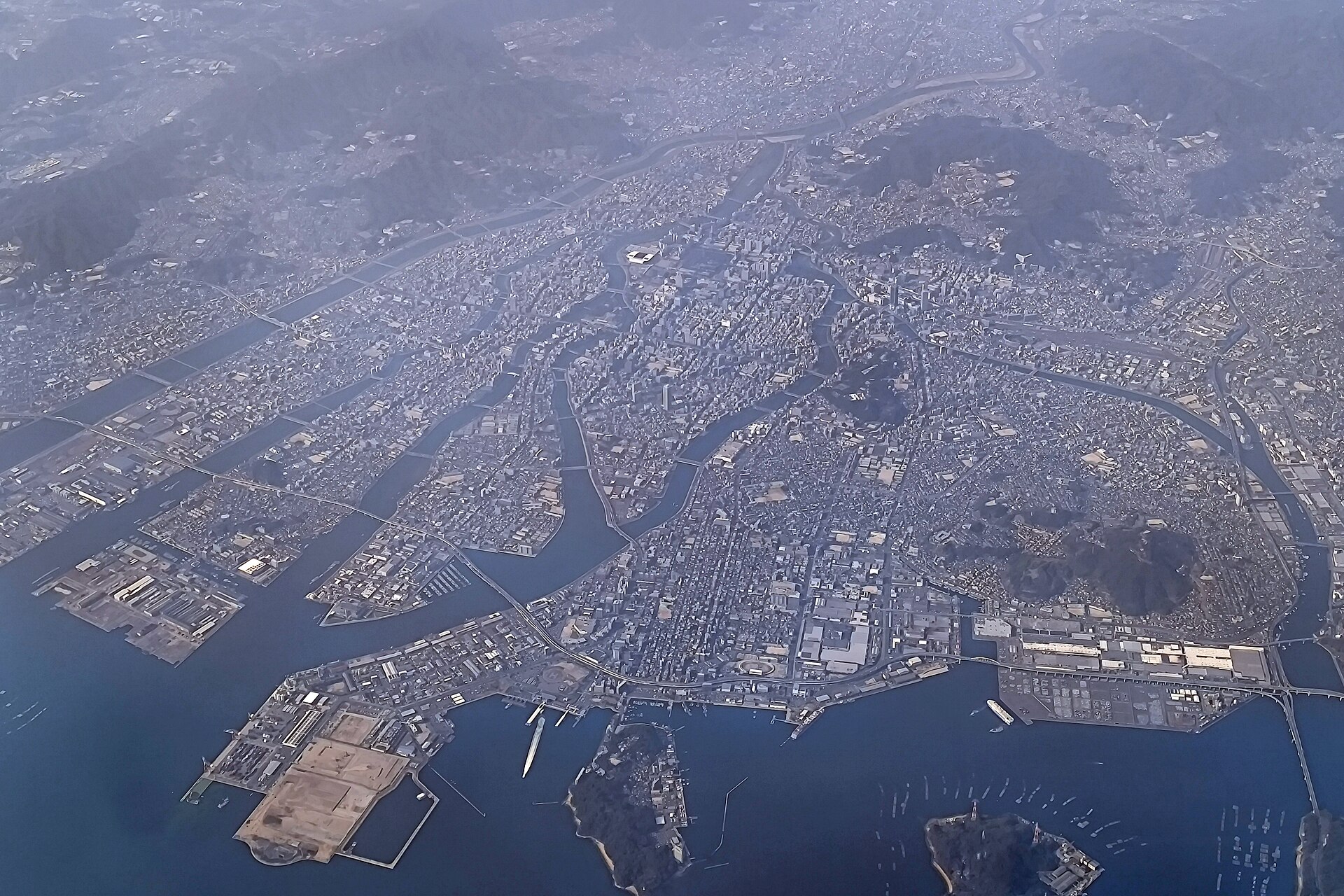
Hiroshima is the capital of Hiroshima Prefecture in western Japan. Its lively center, island-studded sea, and riverside avenues meet a history remembered around the world.
Not only a memorial — a place to live, gather, and look forward.
02 — Geography & location
HONSHŪ · WESTERN JAPAN
A delta between mountains and sea
On southwestern Honshu, the Ōta River fans into a delta before reaching Hiroshima Bay. Waterways and bridges shape the city’s form and its daily rhythms.
03 — History before 1945
FROM CASTLE TOWN TO REGIONAL HUB
Centuries in the making
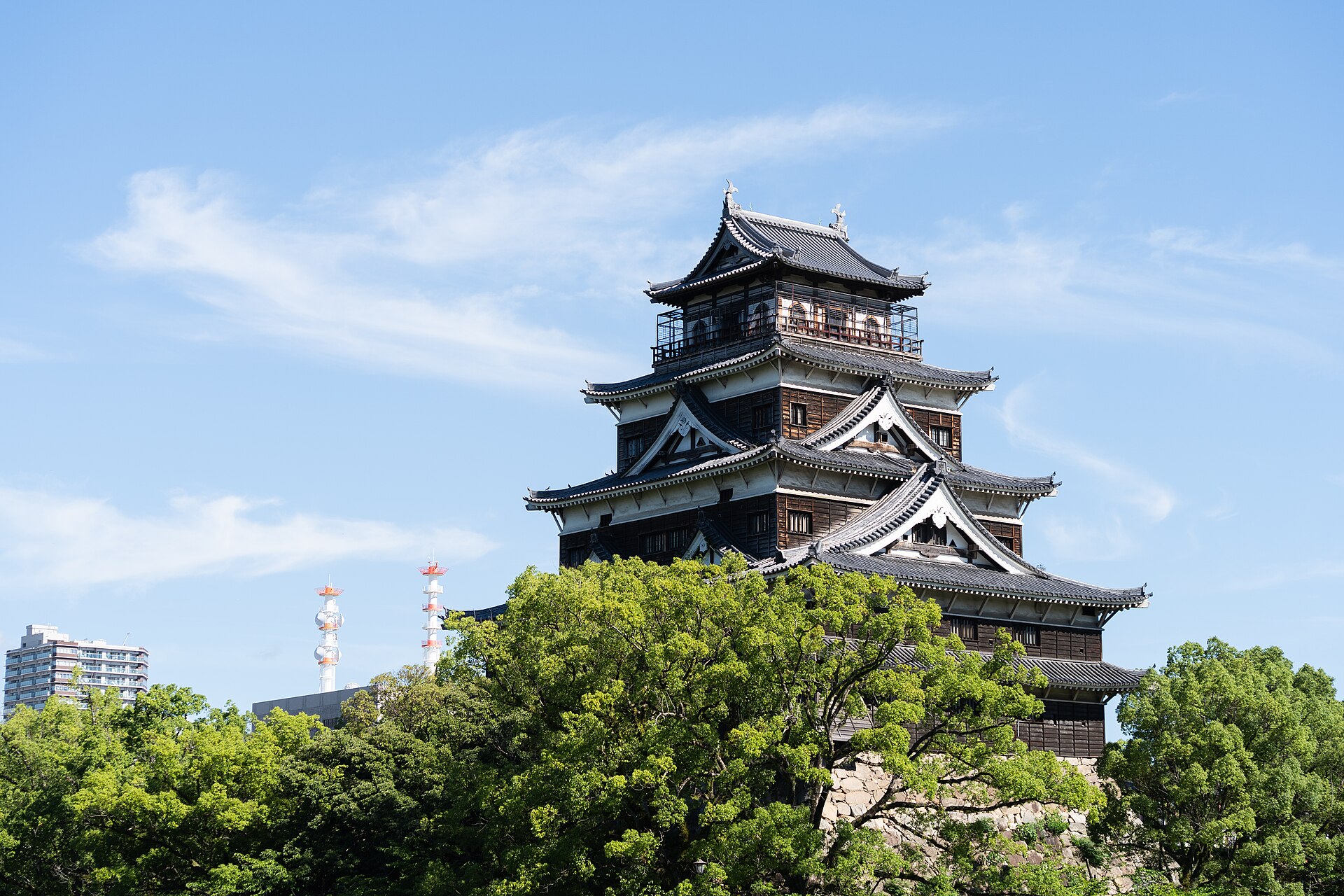
Construction of Hiroshima Castle began in 1589 under the warlord Mōri Terumoto. A castle town grew around it, shaped by waterways and commerce.
A castle town
at a crossroads
03 — History before 1945
A CITY ON THE MOVE
Trade · transport · industry
By the early 20th century, railways, ports, and civic institutions connected Hiroshima to the wider region. The city also held military importance.
04 — A date the world remembers
06 AUGUST 1945
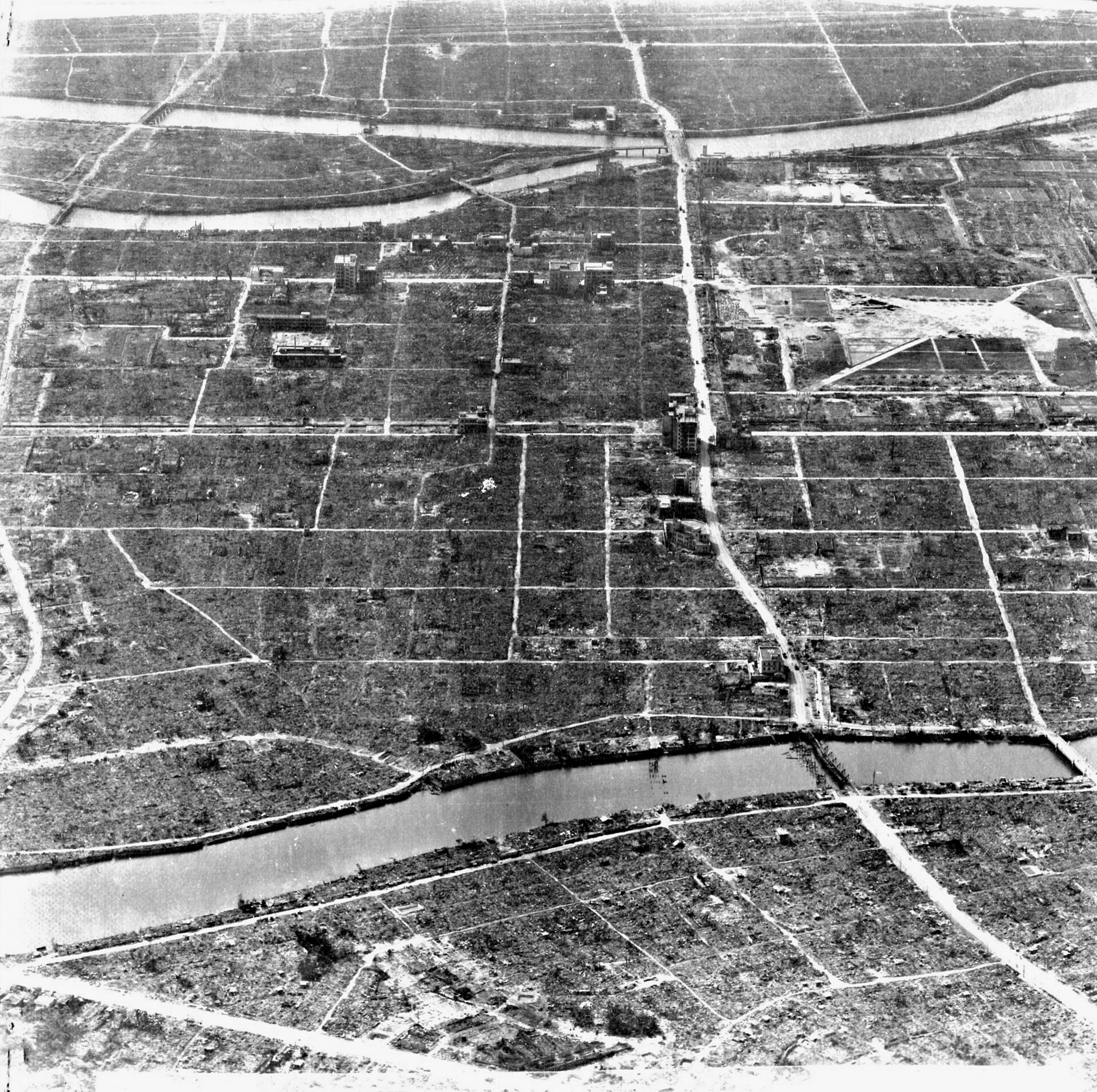
The U.S. B-29 Enola Gay dropped the atomic bomb known as Little Boy, detonated above Hiroshima.
The blast, heat, fires, and radiation devastated the city and caused immense human suffering. The exact number of deaths is unknown; about 140,000 people are estimated to have died by the end of 1945.
Remembering lives lost — with dignity, care, and a commitment to peace.
05 — Reconstruction & recovery
THE TRAM RETURNS
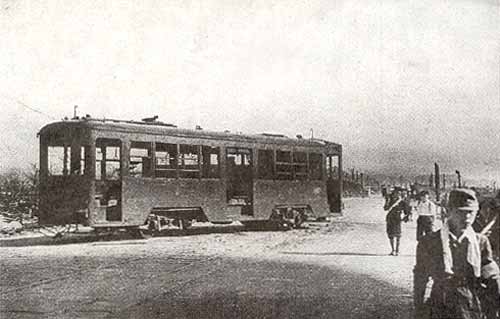
Service resumed within days
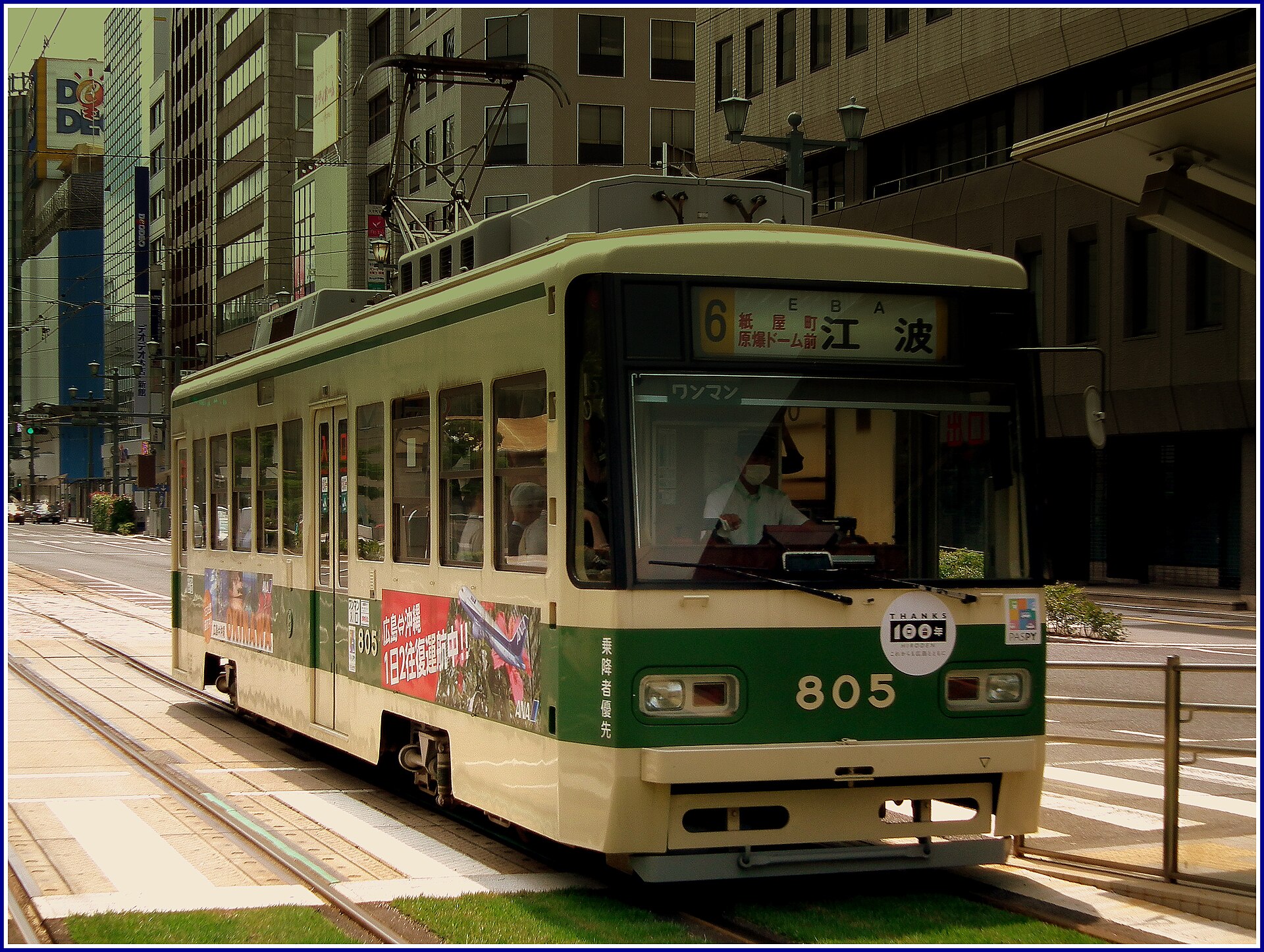
Some streetcar lines returned to service just days after the bombing, as people worked to reconnect the city. The tram became one visible sign of life continuing amid immense loss.
05 — Reconstruction & recovery
A CITY DEDICATED TO PEACE
A framework for the future
Japan’s 1949 Hiroshima Peace Memorial City Construction Law gave reconstruction a public framework and made peace a defining purpose of the city’s renewal.
Reconstruction carried a peace purpose into the city’s future.
A lasting idea behind postwar Hiroshima
A living city, renewed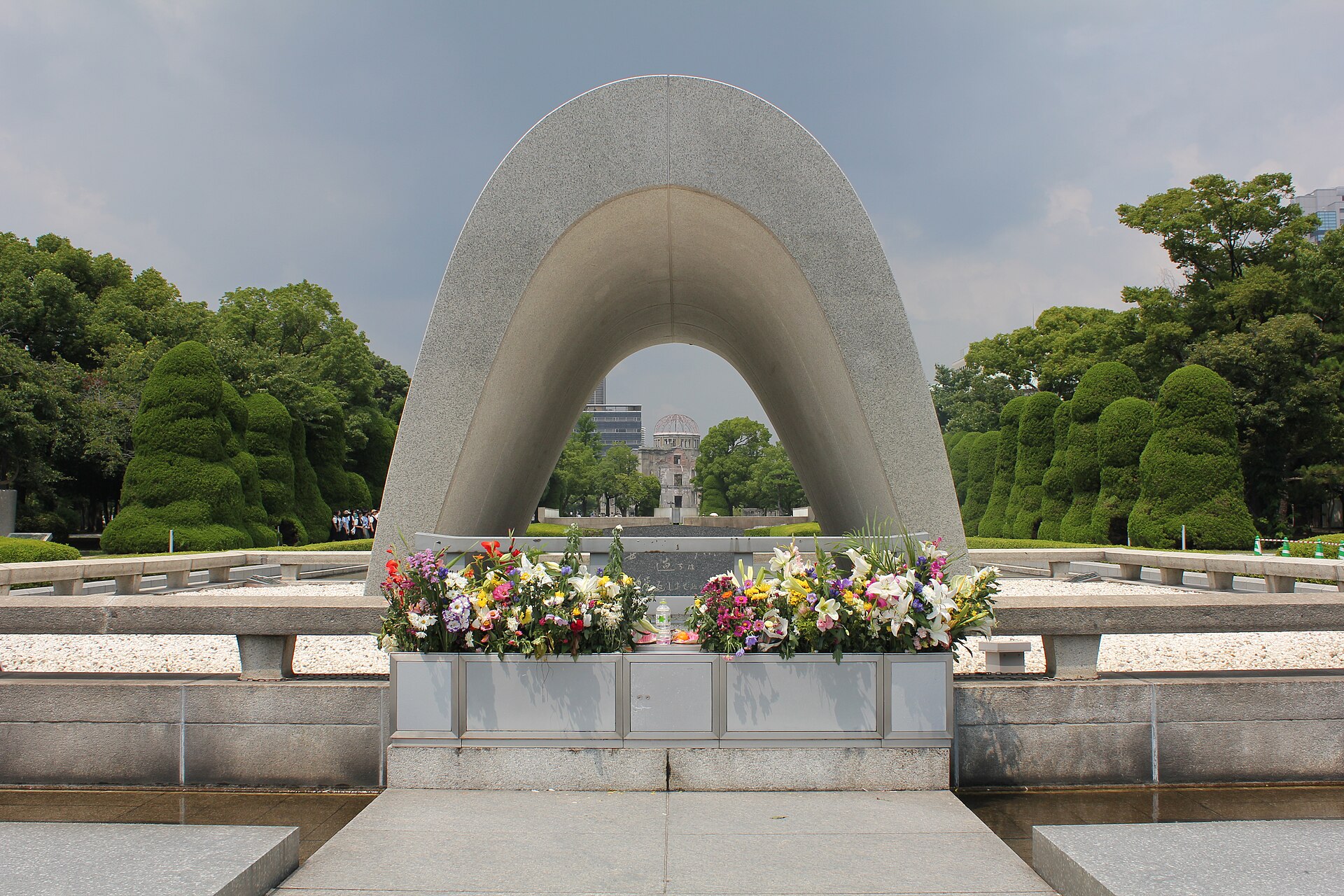
06 — Peace Memorial Park
Designed as a place for remembrance and reflection, the park brings together memorials, the museum, and the Cenotaph for the A-Bomb Victims.
A quiet space at the heart of the city.
06 — Peace Memorial Park
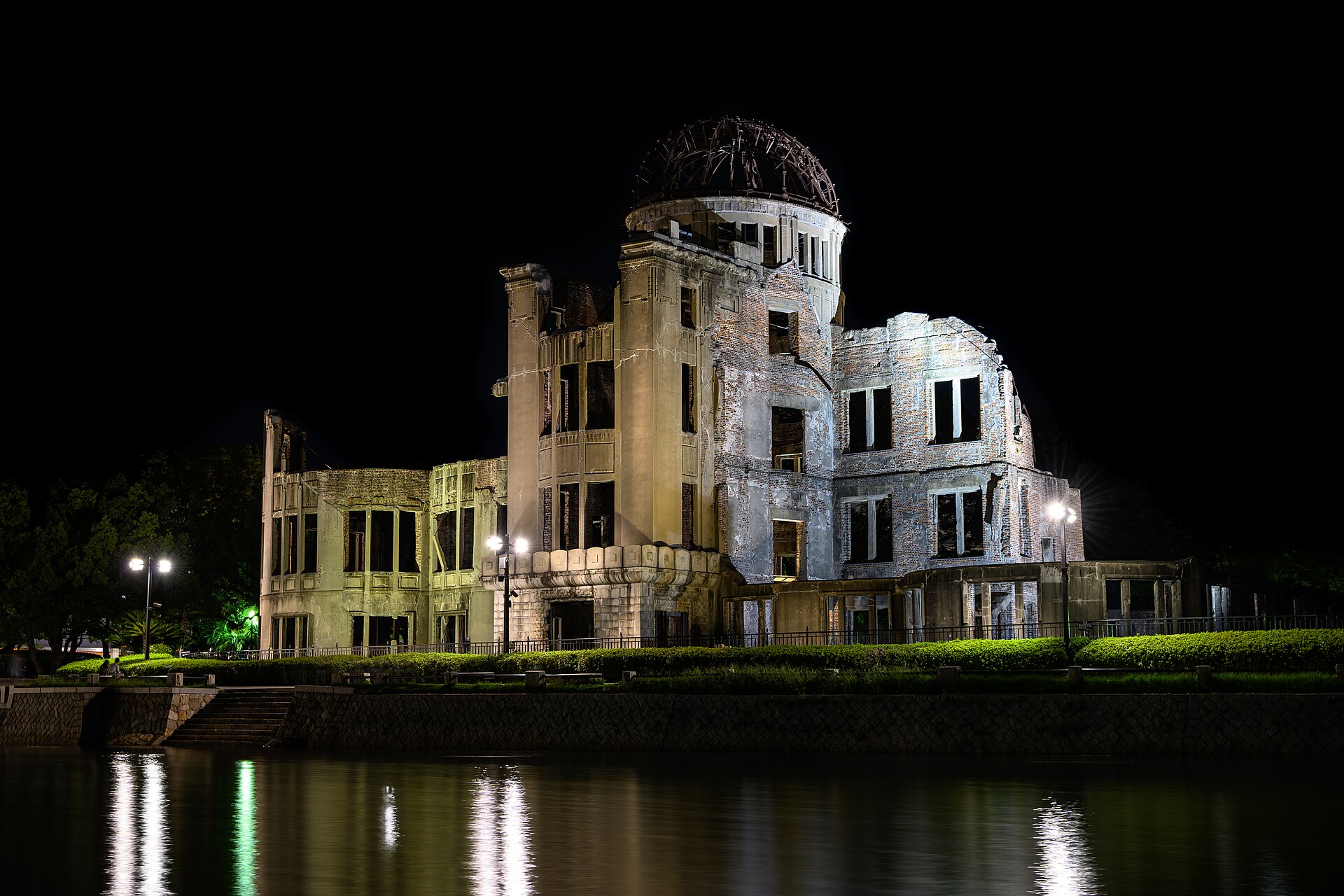
A witness preserved
The former Hiroshima Prefectural Industrial Promotion Hall was completed in 1915. Preserved near the hypocenter, it stands as a witness to the bombing and its aftermath.
Not a decorative ruin — a place of memory.
07 — A message carried forward
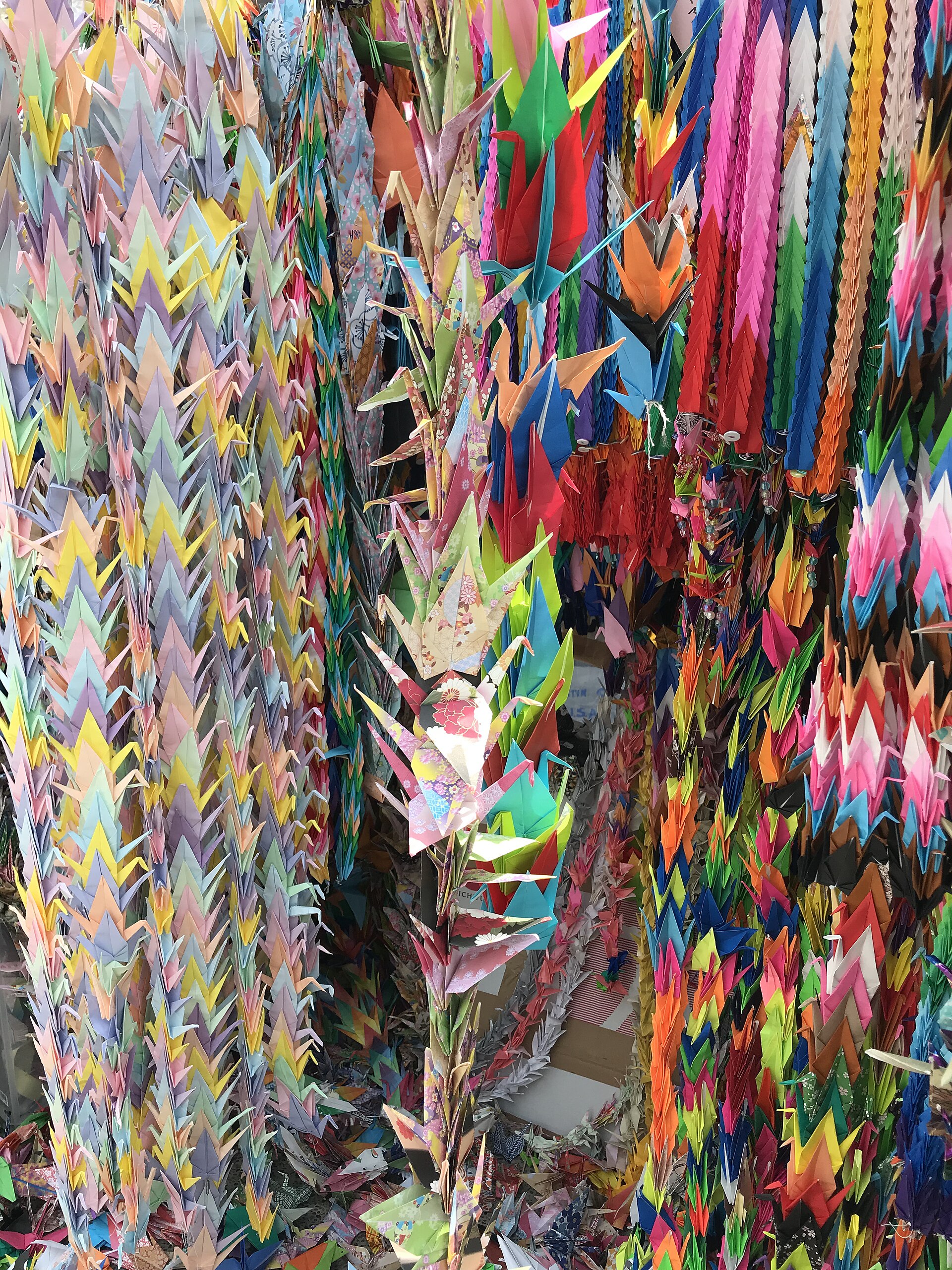
THE CHILDREN’S PEACE MONUMENT
From memory to action
Hiroshima shares survivors’ testimonies and calls for a world without nuclear weapons. Remembering is not only looking back — it is a choice about the future.
Listen. Remember. Choose peace.
08 — Culture & festivals
A CITY THAT GATHERS
Tradition, performance, and shared streets give Hiroshima a life beyond its history.
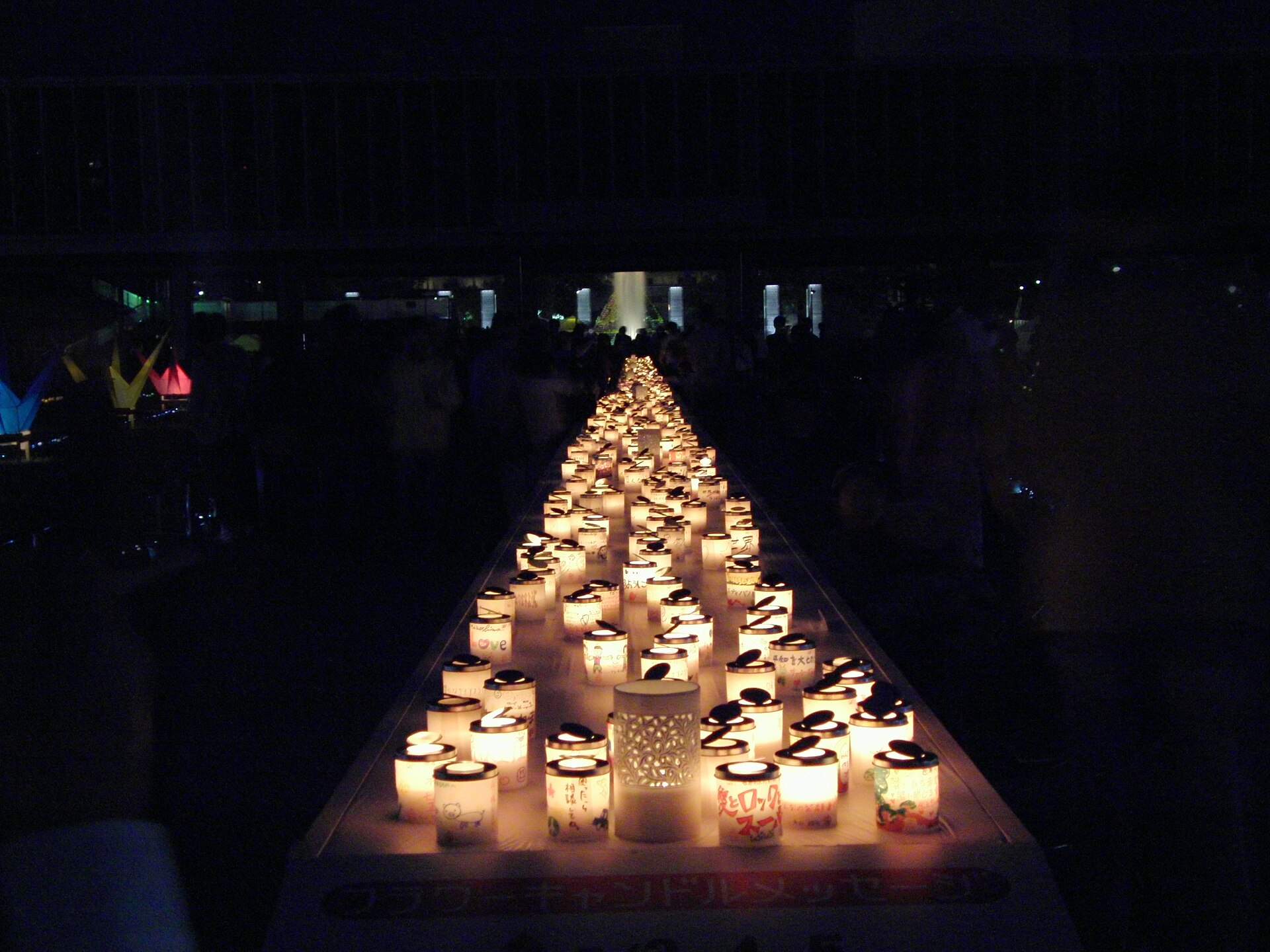
Flower Festival
Parades · music · community
08 — Culture & festivals
REGIONAL PERFORMANCE TRADITION
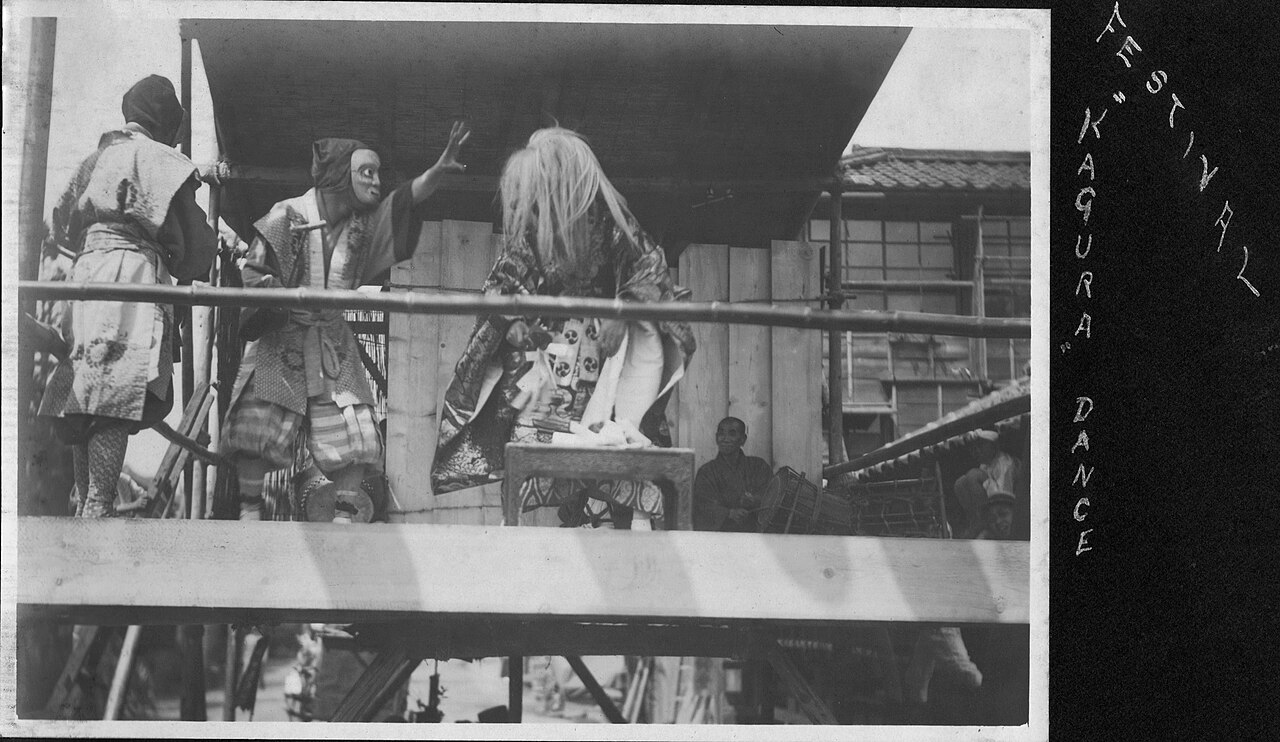
Myth, music, movement
Kagura is a traditional dance-drama rooted in Shinto ritual. In Hiroshima Prefecture, local troupes bring its legends to life with music, masks, and vivid costumes.
This archival image illustrates Kagura in Japan; it is not presented as a photograph of a Hiroshima performance.
09 — Food & cuisine
THE GRIDDLE, THE CITY’S WAY
A meal layered with character
Cabbage, pork, noodles, and egg — stacked with care and cooked on the teppan.
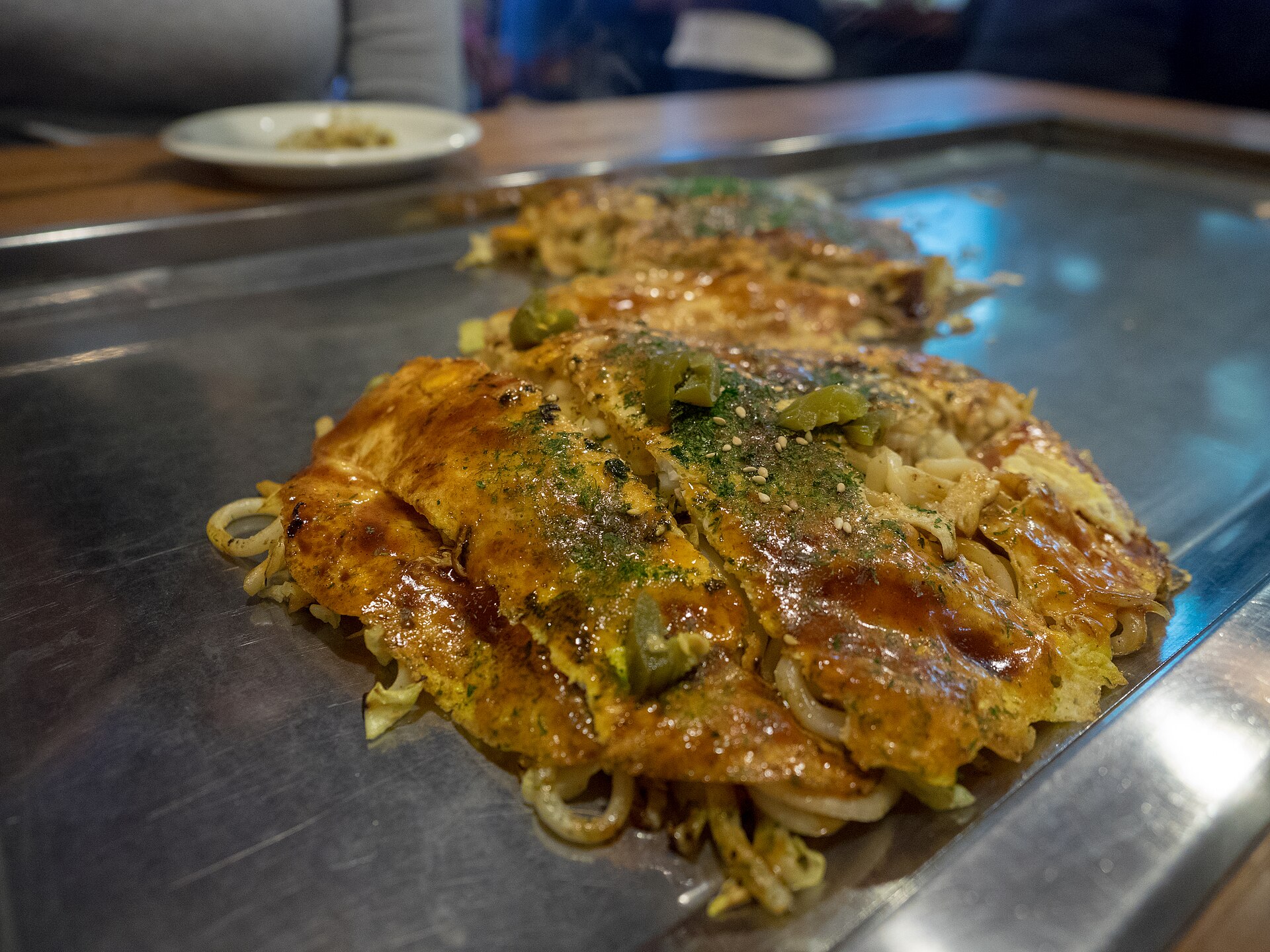
A favorite cooked and shared
right in front of you.
09 — Food & cuisine
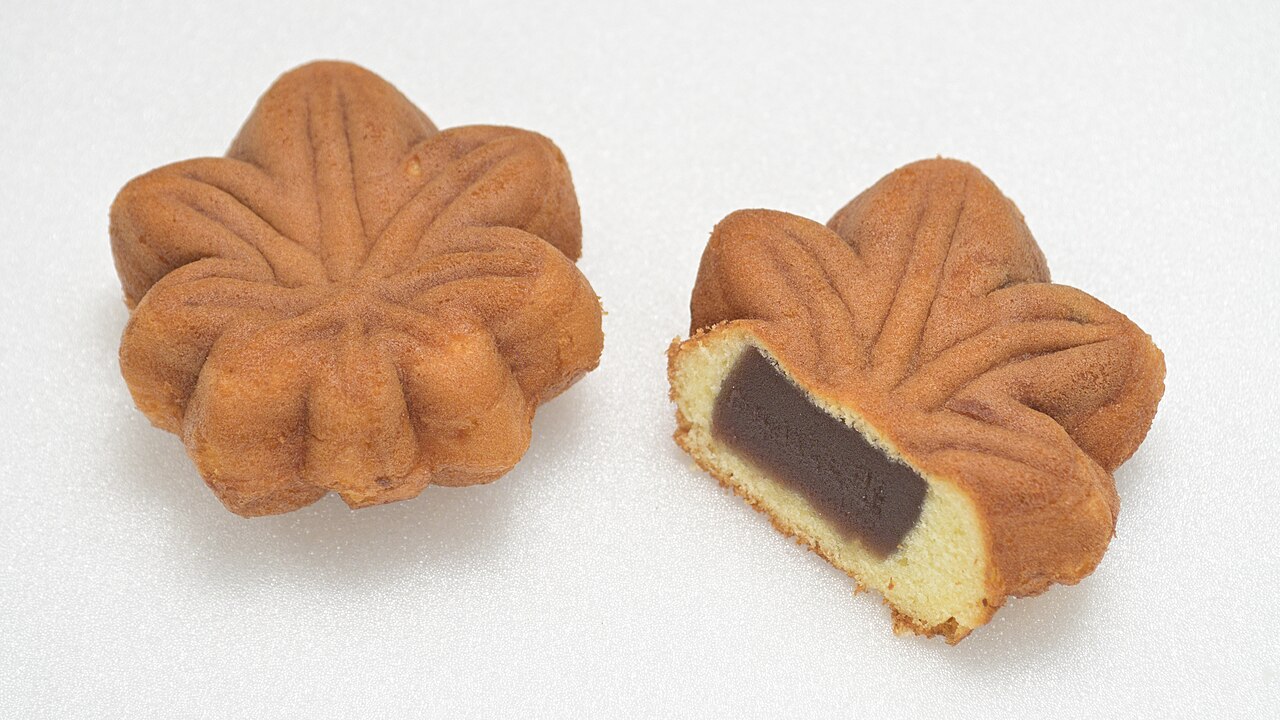
FROM THE SEA · WITH A LITTLE SWEETNESS
From coast to confection
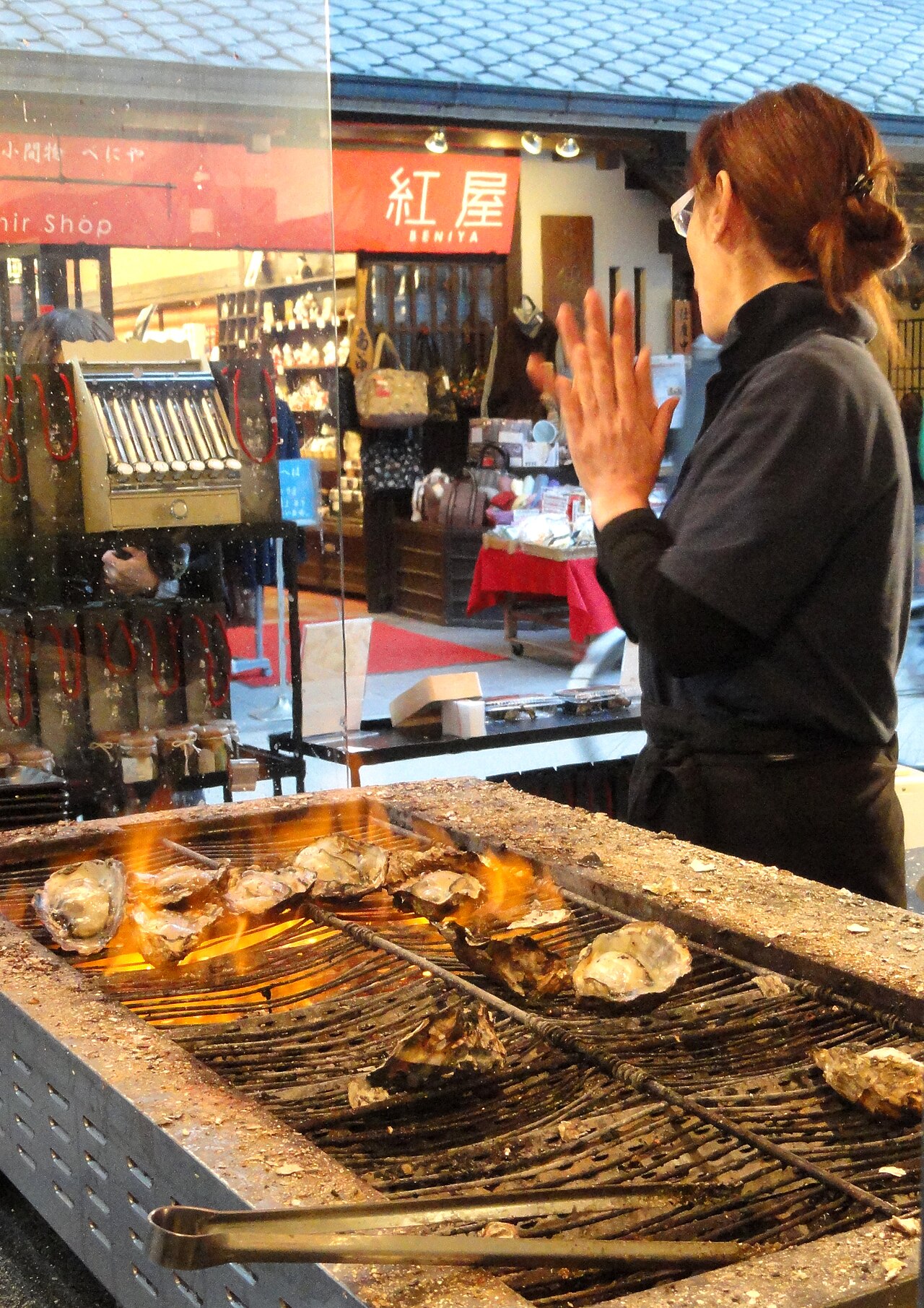
Seto Inland Sea oysters, enjoyed grilled, fried, or in a hot pot.
Maple-leaf-shaped cakes, a beloved treat from Miyajima.
06 — Hiroshima’s present day
PLACES TO EXPLORE
Quiet gardens, storied architecture, and an island shrine — all within reach of the city.
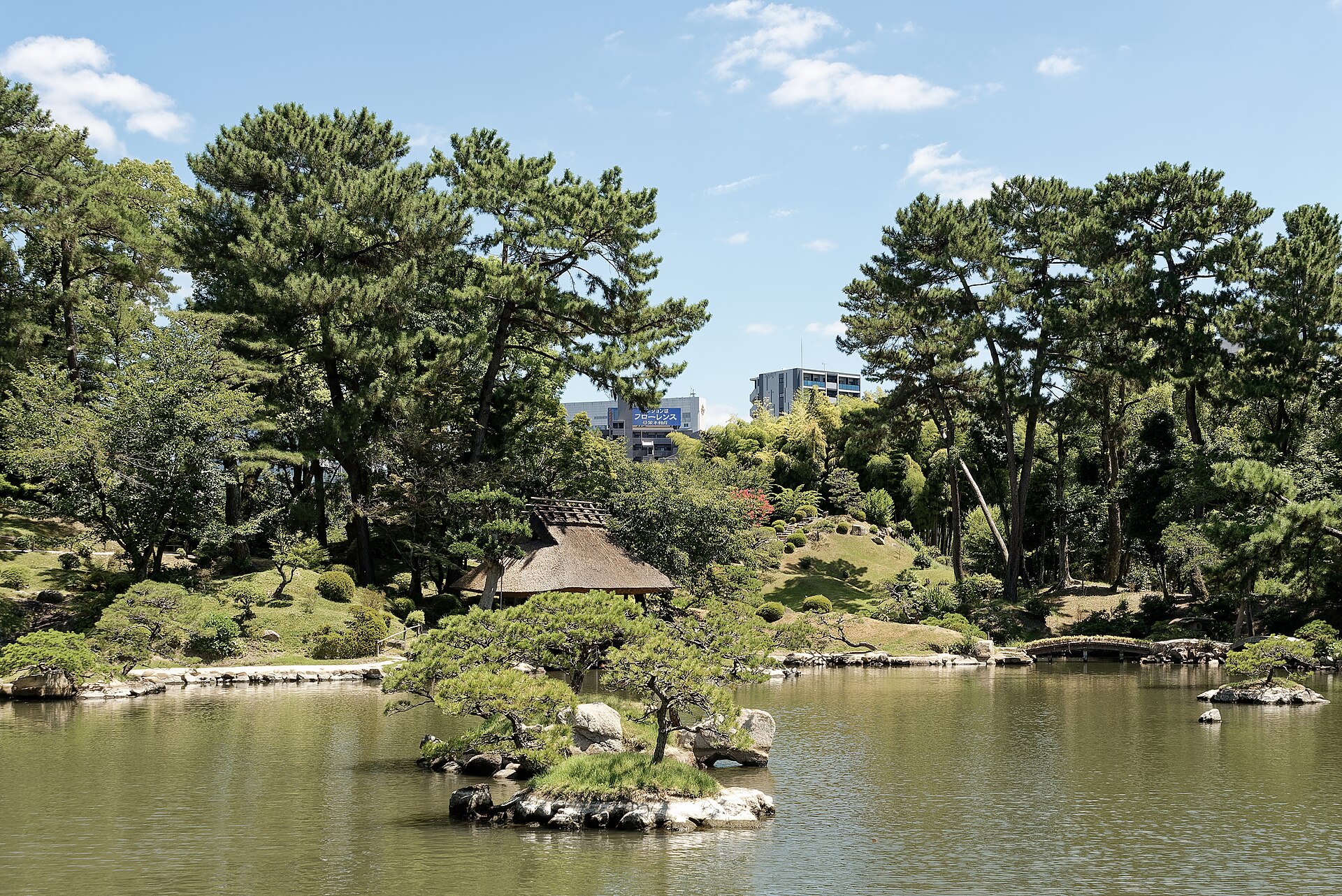
A miniature landscape of ponds, bridges, and seasonal paths in the heart of the city.
Explore the castle grounds and the story of the city’s origins.
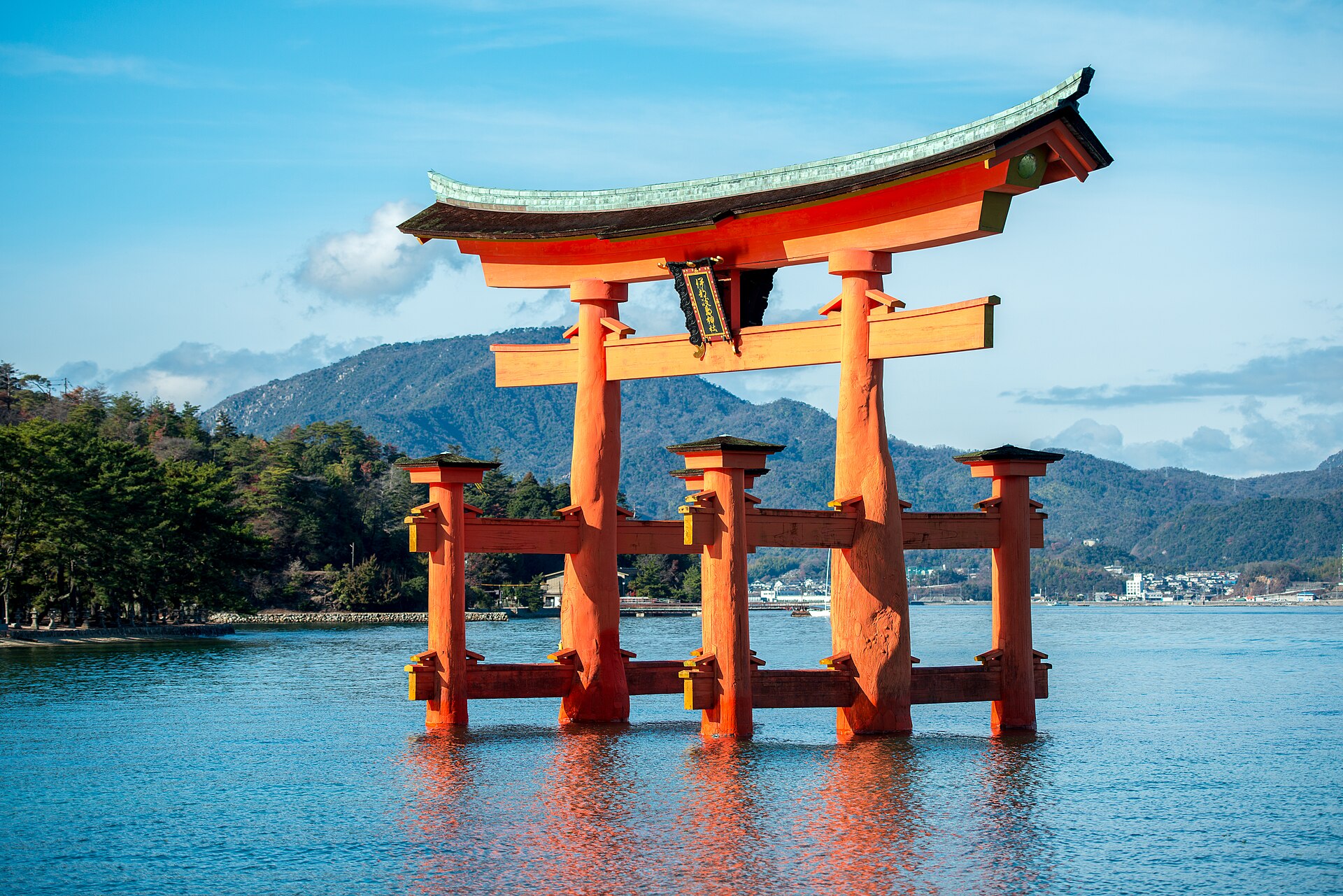
In nearby Hatsukaichi, Itsukushima Shrine meets the tide beneath its iconic torii.
Check current visitor information before travelling.
11 — The story continues
明日へ
Hiroshima holds memory close while making room for culture, renewal, and a more peaceful future.
Questions & conversation